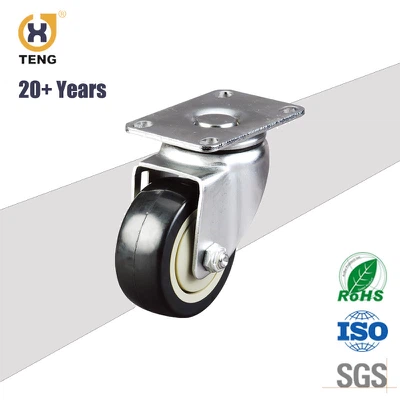
What are the advantages and disadvantages of PU casters compared to other materials?
Aug 02, 2025
Leave a message
Summary of the Advantages and Disadvantages of PU Casters (Compared to Other Materials)
Advantages:
1. Excellent Shock and Quietness: Excellent elasticity, vibration dampening, and low rolling noise make them suitable for precision instruments, medical equipment, and quiet environments (such as hospitals and offices).
2. Floor Protection: Relatively soft, they are less likely to scratch smooth and delicate surfaces like wood floors, tiles, and epoxy floors.
3. Excellent Wear Resistance: Superior to rubber, they wear slowly and have a long service life, making them suitable for frequent movement.
4. Chemical Resistance: They have a certain degree of resistance to oils, fats, and weak acids and bases, making them suitable for general factories and maintenance sites.
5. Versatile Appearance: They can be manufactured in a variety of colors and finishes to meet aesthetic and personalized needs.
Disadvantages:
1. Limited Load Capacity: Compared to nylon and metal, they have a lower load capacity (typically 50-200kg per wheel), making them difficult to use for ultra-heavy equipment. 2. Temperature Limitations: The operating temperature range is narrow (-20°C to 60°C). High temperatures can cause the caster to soften and become sticky, reducing performance; low temperatures can cause it to become hard and brittle, affecting flexibility and lifespan.
3. Poor Tear Resistance: The wheel surface can easily tear and break if struck or scraped by sharp objects (such as rough ground stones).
4. High Price: Due to production costs and process requirements, the price is generally higher than casters made of other materials such as rubber.